İçeriğe geç

Istanbul, Türkiye

Istanbul

Overview of the City

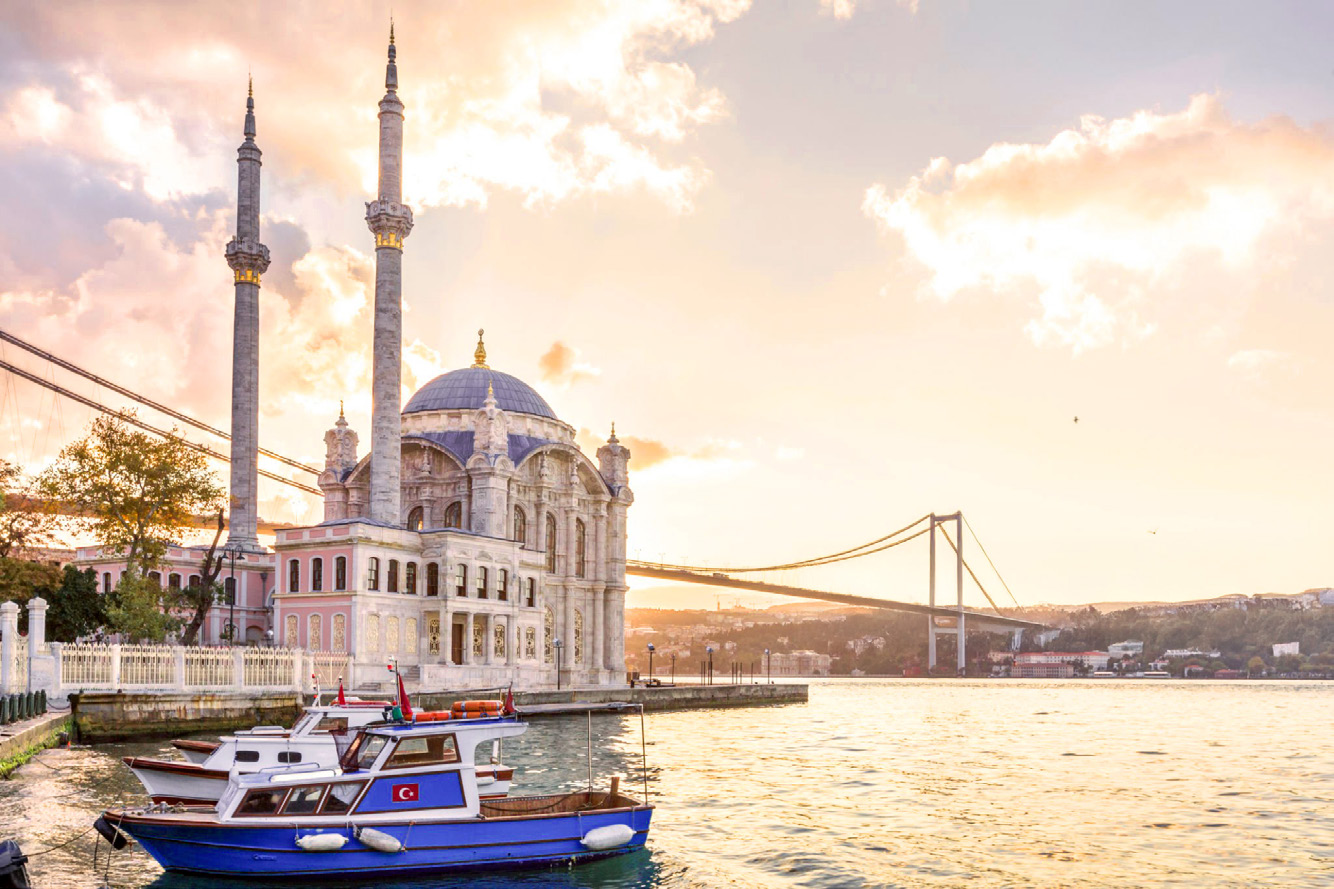
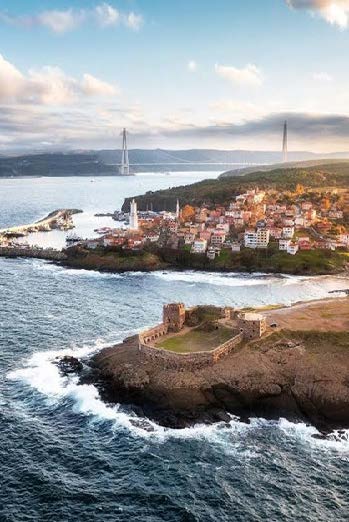
Istanbul, Türkiye’s largest city and its cultural and economic hub, is a dynamic global metropolis where Europe and Asia meet. Strategically located on both sides of the Bosphorus Strait, which connects the Black Sea with the Sea of Marmara, Istanbul has served for centuries as a crossroads of civilizations, cultures and international exchange.

Covering an area of approximately 5,500 km² and home to nearly 16 million people, Istanbul is Türkiye’s most populous city and one of the world’s major metropolitan centres. Its unique transcontinental location, combined with its historical legacy and contemporary urban character, gives the city a distinctive identity shaped by both East and West.

Istanbul offers an exceptional combination of cultural heritage and modern city life. Historic landmarks, palaces, mosques, churches, museums and centuries-old bazaars coexist with contemporary art and cultural venues, international festivals, vibrant neighbourhoods, restaurants, shopping districts and an extensive waterfront along the Bosphorus and the Golden Horn.

The city is also one of Türkiye’s leading international tourism destinations. In 2025, Istanbul welcomed approximately 19 million foreign visitors, reflecting its strong global appeal and its capacity to host visitors from around the world.

Gastronomy is an integral part of the Istanbul experience. From traditional Turkish and Ottoman cuisine, street food and historic marketplaces to contemporary restaurants and international fine dining, the city offers a remarkably diverse culinary scene. Turkish coffee, Turkish delight, spices and other local flavours form part of this rich cultural experience.

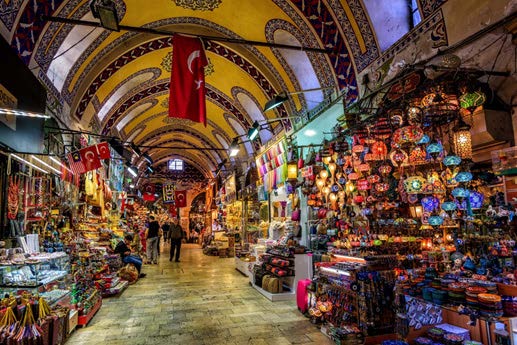
Istanbul is equally renowned for its traditional crafts and shopping culture. The Grand Bazaar, Spice Bazaar and the city’s many shopping districts offer a wide variety of products, including hand-woven carpets and kilims, ceramics and tiles, textiles, jewellery, spices and traditional handicrafts.

Combining centuries of history with contemporary culture, exceptional gastronomy and the unique landscapes of the Bosphorus and the Golden Horn, Istanbul offers visitors an unforgettable experience where continents, cultures and centuries come together.

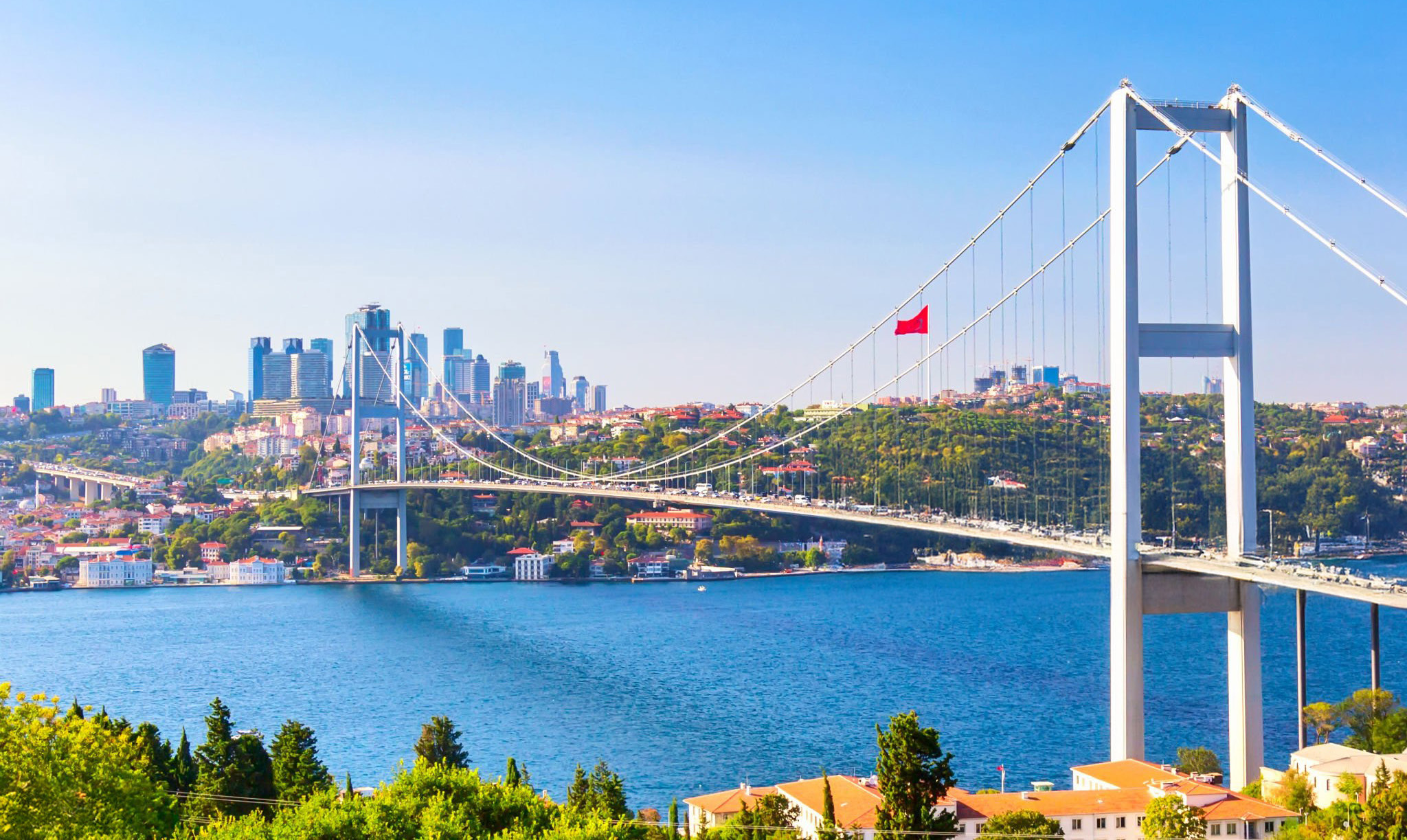
Istanbul
Historical Istanbul
History

Historical Background of the City

Formerly known as Byzantium and Constantinople, Istanbul has served as the capital of three great empires: Roman, Byzantine, and Ottoman. Its layered history is reflected in its architecture, traditions, and landmarks.

Between 324 and 1453, it was the capital of the Byzantine Empire, and from 1453 to 1922, it served as the capital of the Ottoman Empire. For nearly 2,500 years, Istanbul has been a city envied by various economic, religious, and cultural powers.

Istanbul

Access and Connectivity

Located at the crossroads of Europe and Asia, Istanbul combines global accessibility with an extensive urban transportation network, making it a highly convenient destination for international visitors.

Istanbul is an international gateway with two major airports: İstanbul Airport, Sabiha Gökçen Airport; both can be used to travel to Istanbul for Congress.

Istanbul International Airport
IST

Istanbul International Airport (IST)

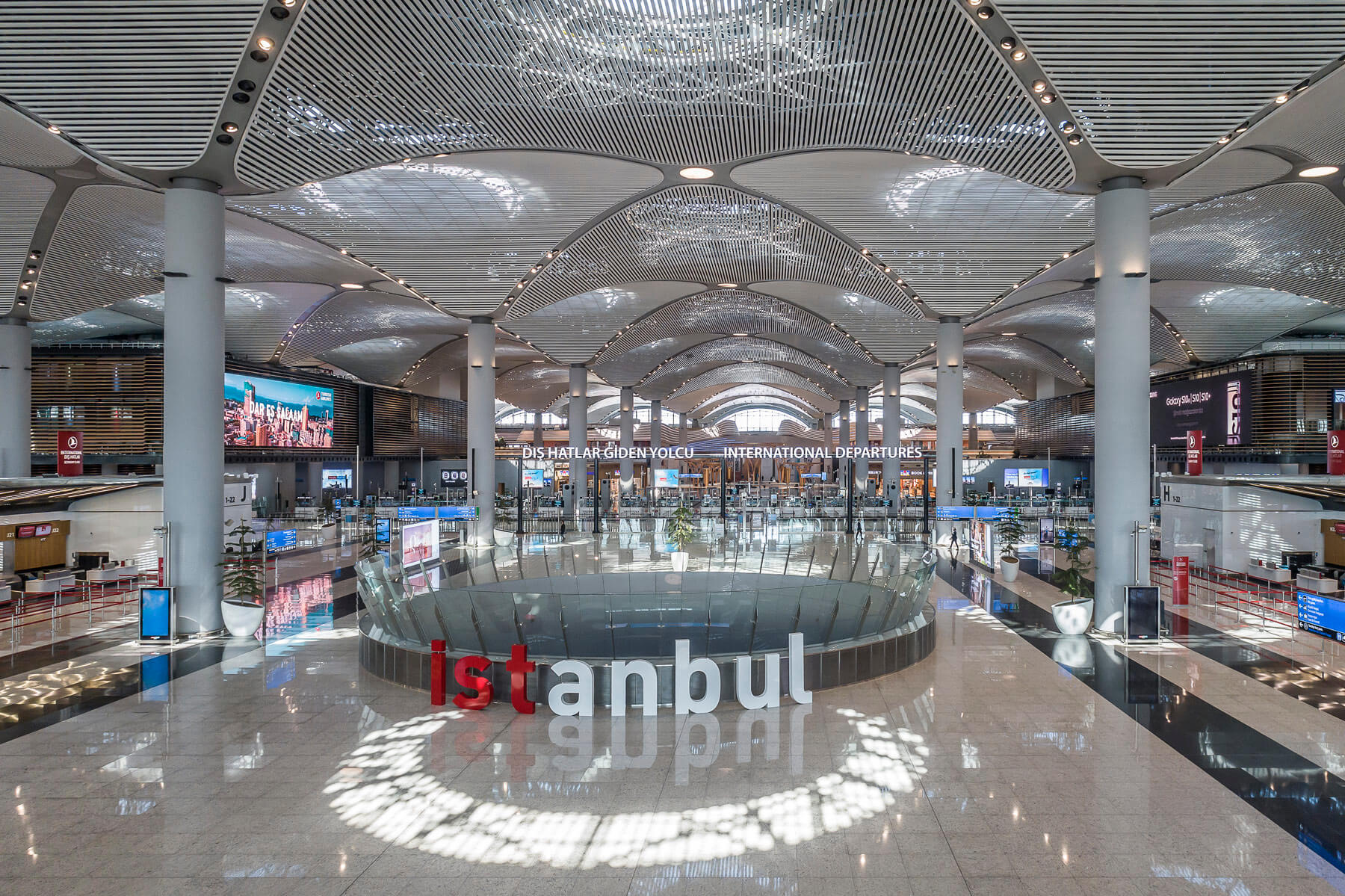
Istanbul International Airport, opened in 2019, replaced the Istanbul Atatürk Airport and contributes to Istanbul becoming a hub between Asia and Europe with a higher capacity and state of the art handling services. It is among the largest and busiest in Europe, with direct flights to over 300 destinations worldwide.

The airport is located in the European side and northwest part of the city on the coast of the Black Sea.

Sabiha Gökçen International Airport
SAW

Sabiha Gökçen International Airport (SAW)

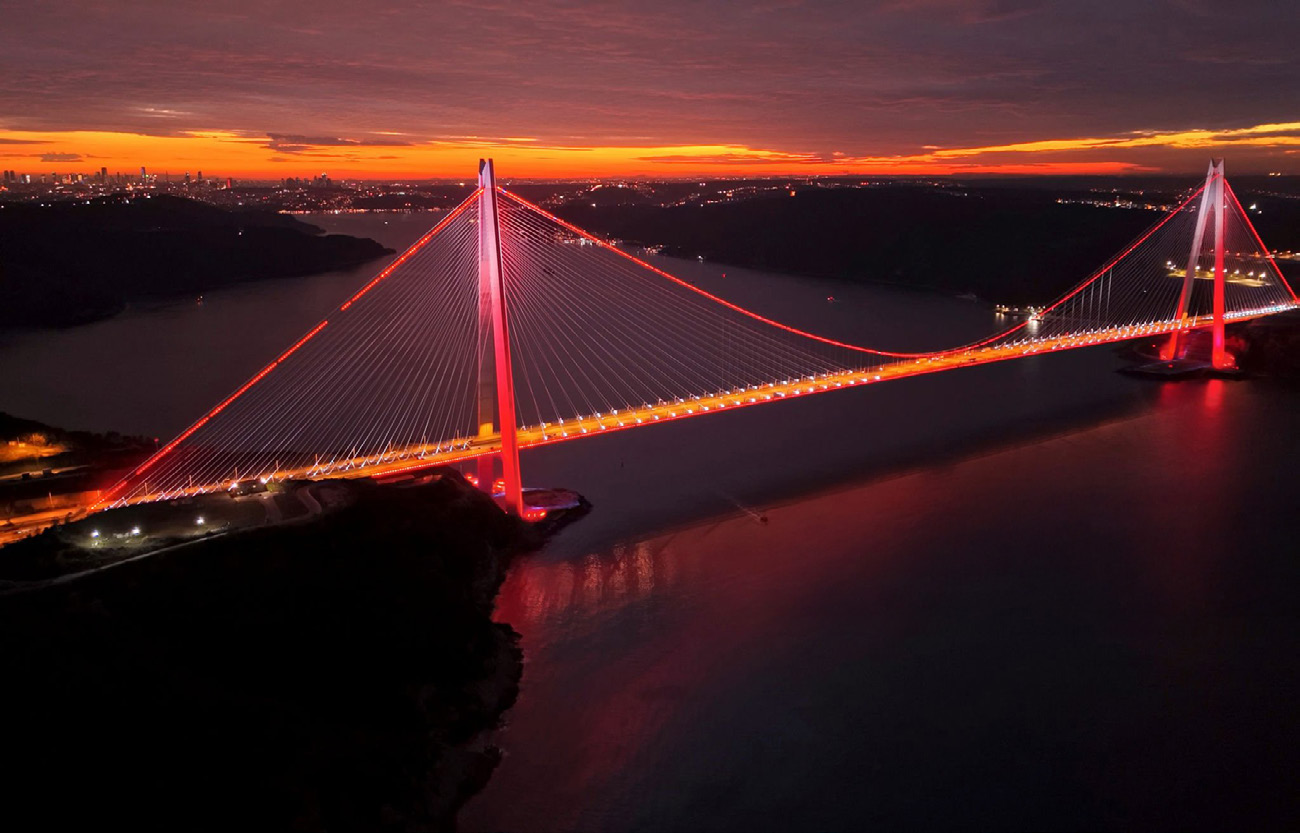
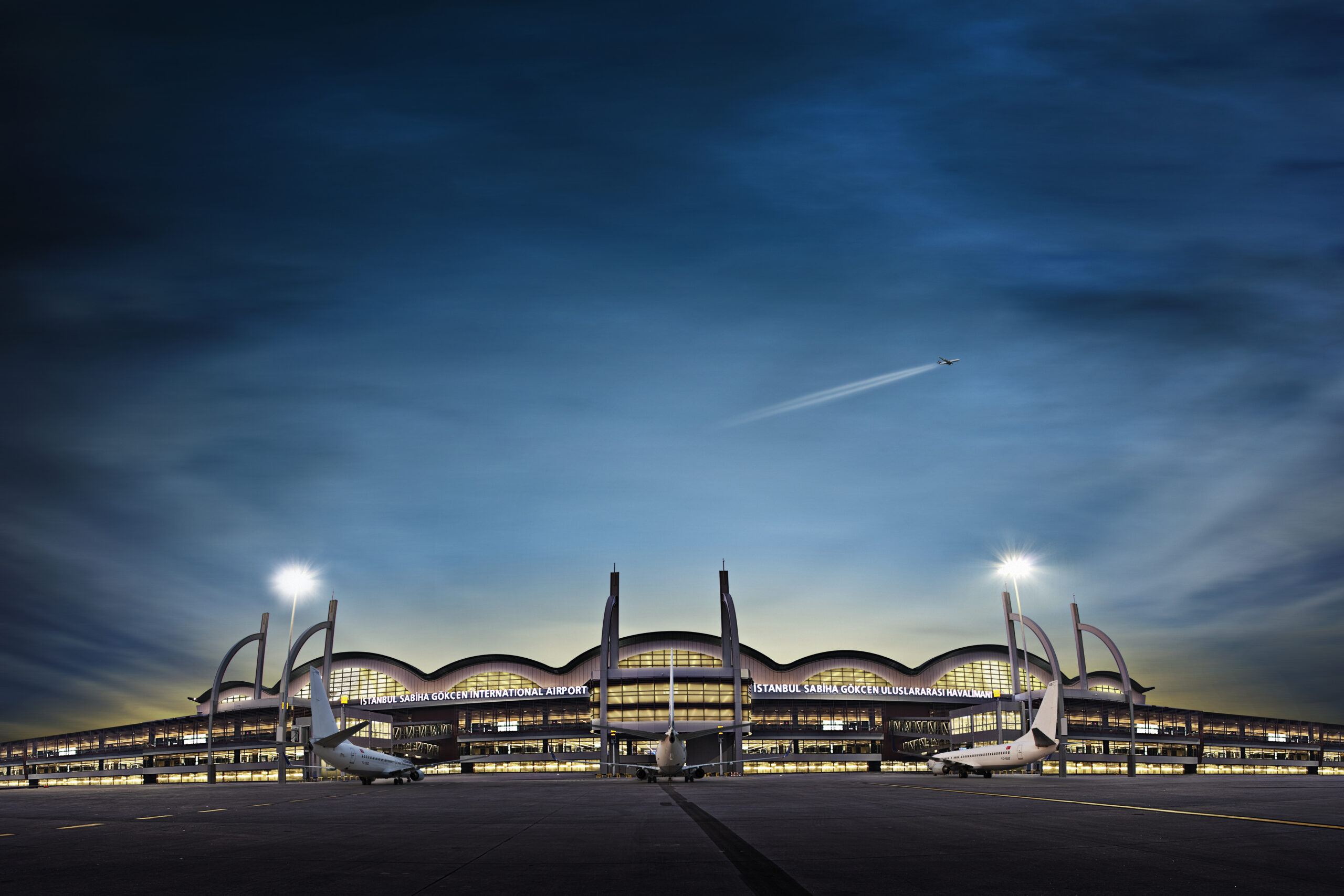
Sabiha Gökçen International Airport, opened in 2001, has been the hub for the low-cost international and domestic flights to and from Istanbul. The airport is located in the Asian side and southeast part of the city serving both domestic and international routes. Although the distance from the airport is not so much different than for Istanbul International Airport, travelling by car might take longer due to Bosphorus bridge traffic.

Istanbul

Tourism and Cultural Attractions

Istanbul offers visitors an exceptional cultural experience beyond the congress programme. Located at the crossroads of Europe and Asia, the city brings together a remarkable combination of historical heritage, architecture, art, gastronomy, shopping and contemporary urban culture. From the Historic Peninsula and the Bosphorus to Beyoğlu, the Golden Horn, historic bazaars and the Princes’ Islands, Istanbul offers diverse experiences within a single metropolitan destination.

Istanbul’s cultural identity extends well beyond its historic monuments. The city has a dynamic contemporary arts scene, with modern and contemporary art museums, galleries, exhibition and concert venues, as well as an extensive calendar of international festivals and cultural events. This combination of heritage and contemporary creativity gives visitors the opportunity to experience both the historic and modern character of Istanbul.

Cultural Attractions
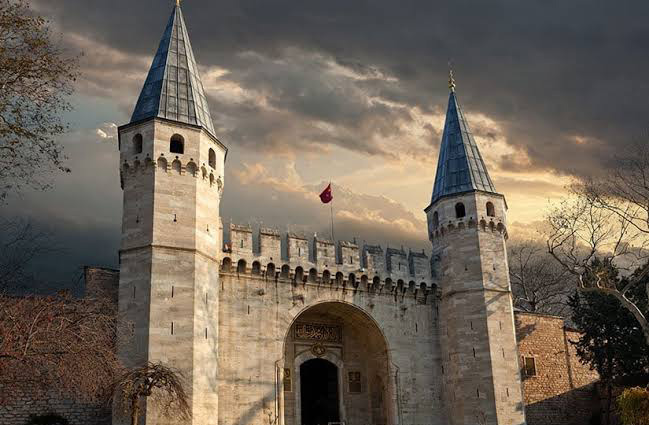
Topkapı Palace
Topkapı Palace
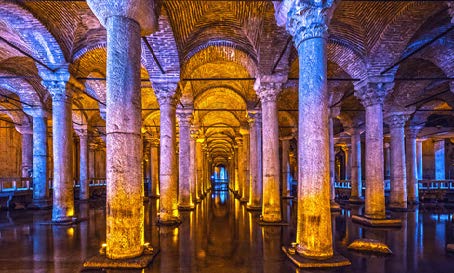
Basilica Cistern
Basilica Cistern
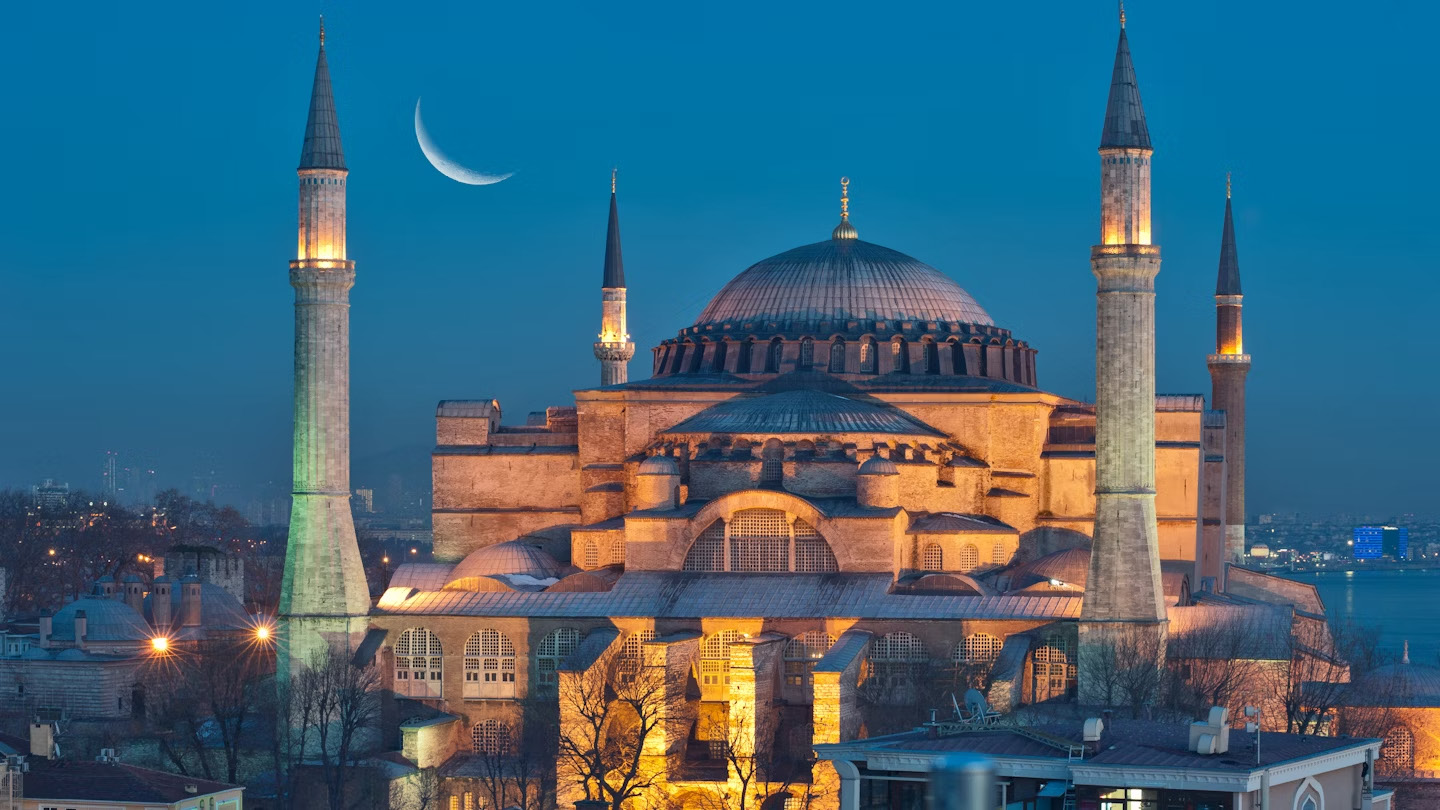
Hagia Sophia
Hagia Sophia
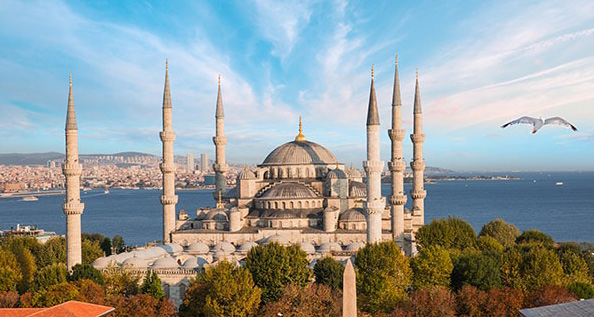
Blue Mosque
Blue Mosque
Grand Bazaar
Grand Bazaar
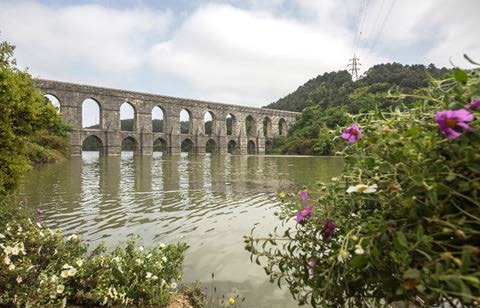
Gözlüce Aqueduct
Gözlüce Aqueduct
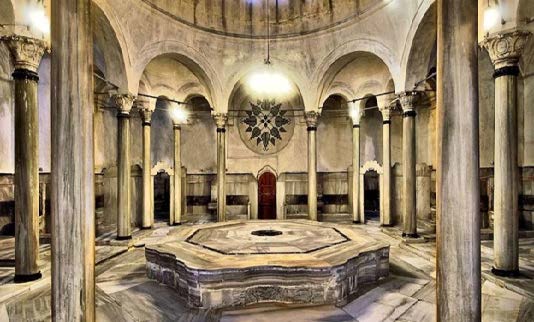
Cağaloğlu Hammam
Cağaloğlu Hammam
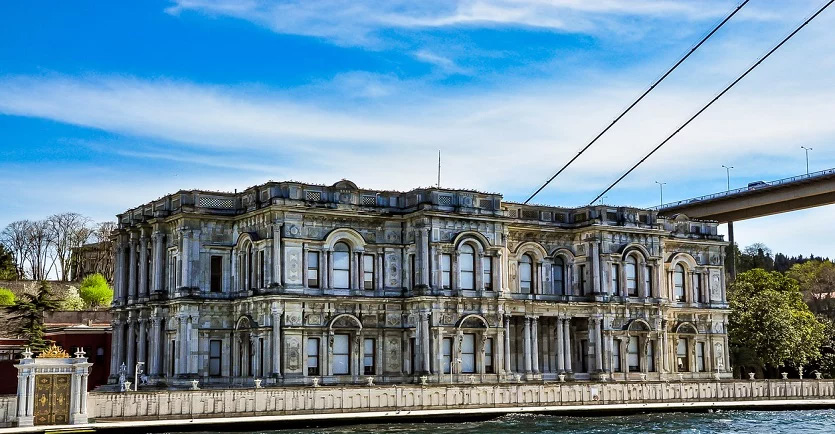
Beylerbeyi Palace
Beylerbeyi Palace
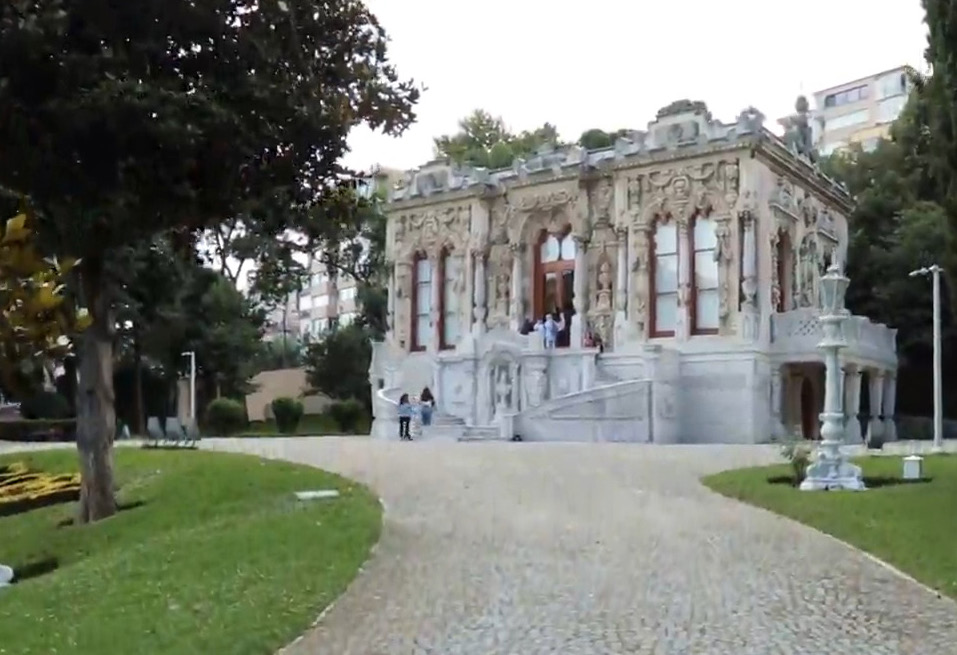
Ihlamur Summer Palace
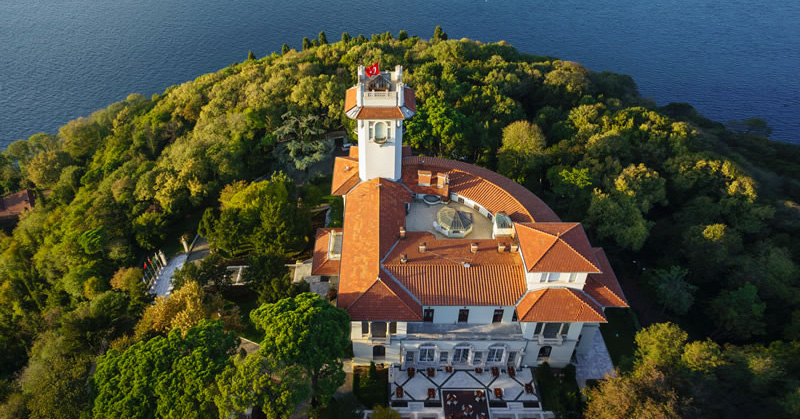
Hidiv Summer Palace
Hidiv Summer Palace
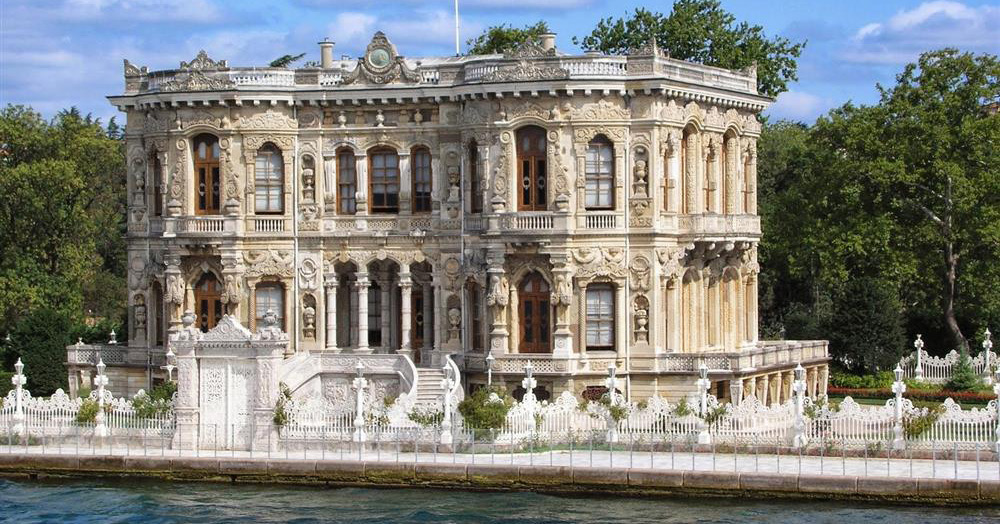
Küçüksu Summer Palace
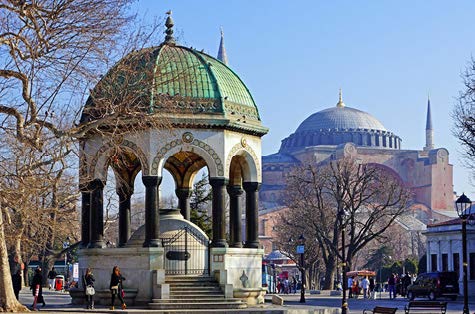
German Fountain in Fatih Region, Istanbul
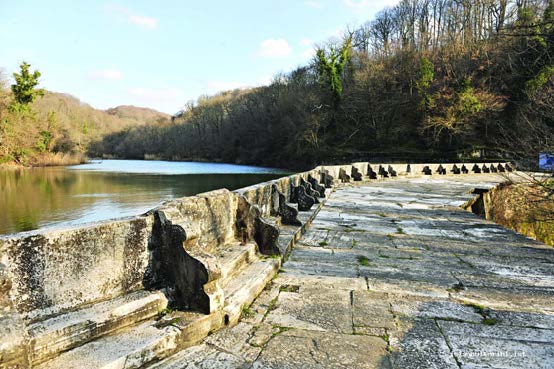
Ayvad Dam
Ayvad Dam
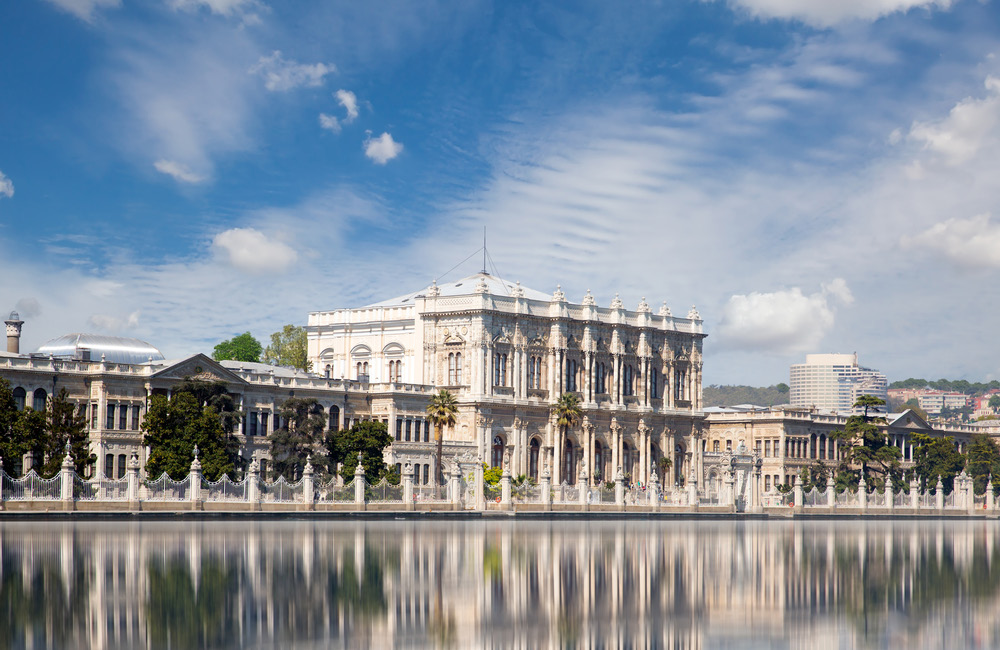
Dolmabahçe Palace
Dolmabahçe Palace
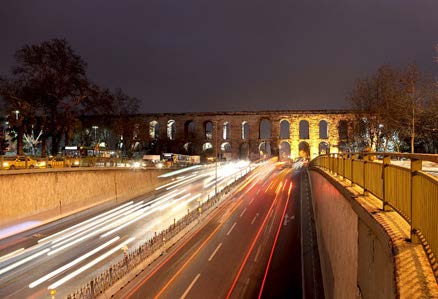
Valens Aqueduct
Valens Aqueduct
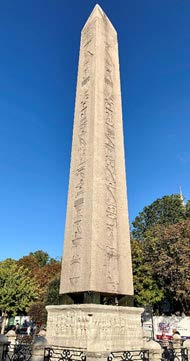
Theodosius Obelisk
Theodosius Obelisk